
Exposición Individual Johan Wahlstrom: Distorted Happiness (Felicidad distorsionada)
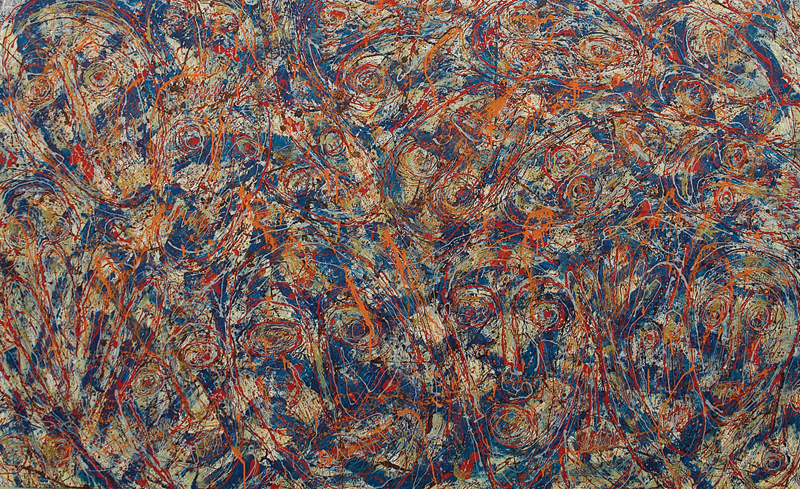
[vc_row css=”.vc_custom_1522314414836{margin-top: 20px !important;}”][vc_column][vc_column_text]Johan Wahlstrom aparece como artista destacado en ArtPulse Magazine, tras su exitosa exposición individual en Nueva York en marzo de 2018. Muy pronto tendremos una nueva exposición de Johan Wahlstrom en España, en Es.Arte Gallery Marbella. Traducción del artículo de Paul Laster: Un músico de rock convertido en artista, Johan Wahlstrom crea pinturas energéticas que difuminan el límite entre la abstracción y la figuración. Como punto de partida tomamos una de sus pinturas de 2015 con multitud de personas vistas desde el escenario, su espectáculo individual “Felicidad Distorsionada”, en George Bergès Gallery – New York, cambió su anterior estilo ilustrativo a un mundo de pesadilla más surrealista.[/vc_column_text][/vc_column][/vc_row][vc_row][vc_column][vc_single_image image=”3582″ img_size=”full” alignment=”center” onclick=”link_image”][/vc_column][/vc_row][vc_row][vc_column][vc_column_text]La pintura mencionada, titulada “The Search for Happiness”, captura un grupo de rostros que claman por ver a alguien en el escenario, mientras esperan ser vistos por una figura que adoran. Esbozadas en pintura negra como caricaturas humanas o máscaras en un campo salpicado y abstracto de pigmentos y papel de periódico, las cabezas reunidas parecen en gran parte desprovistas de cuerpo y alma. A modo representativo, se funden en el fondo de la obra para convertirse en una acumulación que forma una masa. Aunque es un artista sueco de quinta generación, Wahlstrom comenzó su carrera creativa como teclista y cantante, actuando con músicos tan célebres como Ian Hunter, Graham Parker y Mick Ronson, así como con su propio grupo. Después de casi 20 años haciendo música, dejó el escenario y se mudó a Francia para continuar la vida de pintor. Inspirado por Jean Dubuffet y el movimiento Art Brut que defendió, Wahlstrom convirtió su público en obras haciendo de ellos y su estado mental y psicológico el centro de su expresivo arte. [/vc_column_text][/vc_column][/vc_row][vc_row][vc_column][vc_single_image image=”3584″ img_size=”full” alignment=”center” onclick=”link_image”][/vc_column][/vc_row][vc_row][vc_column][vc_column_text]Cuando llegó a Nueva York en 2015 para una residencia en Mana Contemporary, la campaña recién lanzada de Donald Trump llamó su atención y se convirtió en el tema del artista. Una de las pinturas de esa serie provocadora fue mostrada en la exposición. La obra de 2016 “Punch Them Hard” expone a Trump con los pulgares hacia arriba en un mar de personas indistinguibles, mientras en las profundidades de la pintura encontramos un hombre recibiendo un puñetazo en la cara, y una pandilla sombría pisotea a un manifestante caído. [/vc_column_text][/vc_column][/vc_row][vc_row][vc_column][vc_single_image image=”3571″ img_size=”full” alignment=”center” onclick=”link_image”][/vc_column][/vc_row][vc_row][vc_column][vc_column_text]Con el tiempo, sin embargo, los fervientes partidarios de Trump se transforman en cráneos en las obras, y es aquí donde la pintura de Wahlstrom se vuelve aún más fascinante. En la obra “See Me Feel Me Love Me”, cuyo título hace referencia a una canción de The Who, y “Worn Out” (ambas de 2016), el artista utiliza plantillas y pintura vertida para crear cabezas similares a calaveras que flotan en un ámbito abstracto. Sin embargo, en las pinturas de 2017 “Distorted School” y “Distorted Reality”, las caras apenas formadas se aproximan más a las apariciones, con características que fluyen como el humo.[/vc_column_text][/vc_column][/vc_row][vc_row][vc_column][vc_single_image image=”3589″ img_size=”full” alignment=”center” onclick=”link_image”][/vc_column][/vc_row][vc_row][vc_column][vc_column_text]Y llevando la figuración hasta el límite de las formas reconocibles, las obras de 2017 “Torn Apart” y “Keep the Party Going ” se parecen más a garabatos en las paredes de los callejones – donde el lado rebelde de la humanidad comúnmente deja su huella – que a a representación de personas reales. Mezclando una sensación de angustia por la política opresiva del momento, con recuerdos de la juventud cuando su mundo era un escenario, el artista pinta una imagen expresiva para el hombre de a pié. Paul Laster[/vc_column_text][/vc_column][/vc_row][vc_row][vc_column][vc_btn title=”Leer artículo original (inglés)” style=”outline” shape=”square” color=”black” size=”lg” align=”center” link=”url:http%3A%2F%2Fartpulsemagazine.com%2Fjohan-wahlstrom-distorted-happiness|title:ArtPulse%20Magazine|target:%20_blank” button_block=”true”][/vc_column][/vc_row][vc_row][vc_column][vc_btn title=”Obras en venta de Johan Wahlstrom” style=”outline” shape=”square” color=”black” size=”lg” align=”center” link=”url:https%3A%2F%2Fesartegallery.com%2Fartista%2Fjohan-wahlstrom|title:ArtPulse%20Magazine|” button_block=”true”][/vc_column][/vc_row]
Johan Wahlstrom: Distorted Happiness
[vc_row css=”.vc_custom_1522314414836{margin-top: 20px !important;}”][vc_column][vc_column_text]Johan Wahlstrom is featured as a featured artist in ArtPulse Magazine, following his successful solo exhibition in New York in March 2018. Very soon we will have a new exhibition of Johan Wahlstrom in Spain, at Es.Arte Gallery Marbella. Translation of the Paul Laster article: A rock musician turned artist, Johan Wahlstrom creates energetic paintings that blur the boundary between abstraction and figuration. As a starting point we take one of his paintings from 2015 with a multitude of people seen from the stage, his solo show “Distorted Happiness”, at George Bergès Gallery – New York, changed his previous illustrative style into a more surrealistic nightmare world.[/vc_column_text][/vc_column][/vc_row][vc_row][vc_column][vc_single_image image=”11954″ img_size=”full” alignment=”center” onclick=”link_image”][/vc_column][/vc_row][vc_row][vc_column][vc_column_text]The painting mentioned, entitled “The Search for Happiness”, captures a group of faces crying out to see someone on stage, while waiting to be seen by a figure they adore. Sketched in black paint as human caricatures or masks in an abstract field sprinkled with pigments and newsprint, the assembled heads seem largely devoid of body and soul. Representatively, they merge into the background of the work to become an accumulation that forms a mass. Although he is a fifth generation Swedish artist, Wahlstrom began his creative career as a keyboardist and singer, performing with such famous musicians as Ian Hunter, Graham Parker and Mick Ronson, as well as with his own group. After almost 20 years making music, he left the stage and moved to France to continue his life as a painter. Inspired by Jean Dubuffet and the Art Brut movement he championed, Wahlstrom turned his audiences into works of art, making them and their mental and psychological state the focus of his expressive art. [/vc_column_text][/vc_column][/vc_row][vc_row][vc_column][vc_single_image image=”11952″ img_size=”full” alignment=”center” onclick=”link_image”][/vc_column][/vc_row][vc_row][vc_column][vc_column_text]When he arrived in New York in 2015 for a residency at Mana Contemporary, Donald Trump’s newly launched campaign caught his attention and became the artist’s theme. One of the paintings from that provocative series was shown in the exhibition. The 2016 work “Punch Them Hard” shows Trump with his thumbs up in a sea of indistinguishable people, while in the depths of the painting we find a man getting punched in the face, and a shadowy gang trampling on a fallen protester. [/vc_column_text][/vc_column][/vc_row][vc_row][vc_column][vc_single_image image=”11948″ img_size=”full” alignment=”center” onclick=”link_image”][/vc_column][/vc_row][vc_row][vc_column][vc_column_text]Over time, however, Trump’s fervent supporters are transformed into skulls in the works, and this is where Wahlstrom’s painting becomes even more fascinating. In “See Me Feel Me Love Me,” the title of which refers to a song by The Who, and “Worn Out” (both from 2016), the artist uses templates and poured paint to create skull-like heads that float in an abstract environment. However, in the 2017 paintings “Distorted School” and “Distorted Reality”, the barely formed faces are closer to the apparitions, with features that flow like smoke.[/vc_column_text][/vc_column][/vc_row][vc_row][vc_column][vc_single_image image=”11950″ img_size=”full” alignment=”center” onclick=”link_image”][/vc_column][/vc_row][vc_row][vc_column][vc_column_text]And taking figuration to the limit of recognisable forms, the 2017 works “Torn Apart” and “Keep the Party Going” look more like scribbles on alleyway walls – where the rebellious side of humanity commonly leaves its mark – than representations of real people. Mixing a sense of anguish about the oppressive politics of the time with memories of youth when his world was a stage, the artist paints an expressive image for the man in the street. Paul Laster[/vc_column_text][/vc_column][/vc_row][vc_row][vc_column][vc_btn title=”Read original article” style=”outline” shape=”square” color=”black” size=”lg” align=”center” link=”url:http%3A%2F%2Fartpulsemagazine.com%2Fjohan-wahlstrom-distorted-happiness|title:ArtPulse%20Magazine|target:%20_blank|” button_block=”true”][/vc_column][/vc_row][vc_row][vc_column][vc_btn title=”Artworks for sale by the artist Johan Wahlstrom” style=”outline” shape=”square” color=”black” size=”lg” align=”center” link=”url:https%3A%2F%2Fesartegallery.com%2Fartista%2Fjohan-wahlstrom|title:ArtPulse%20Magazine|” button_block=”true”][/vc_column][/vc_row]